Introduction
Autism is a natural variation in how people’s brains work and experience the world. Autistic people may communicate, interact, and process information in ways that differ from the neurotypical majority. Because autism exists on a spectrum, each autistic person has their own unique strengths, challenges, and ways of engaging with their surroundings. Rather than viewing these differences as deficits, the neurodiversity perspective recognizes and values the diverse ways that brains can function and contribute to society.
Throughout this document, we use identity-first language (such as “autistic person” or “autistic child”), in keeping with the preferences of many in the autistic community. However, we recognize and respect that some individuals may prefer person-first language.
The onset of Autism
Autism in children usually becomes noticeable around the age of 2 to 3 years, all though with increasing awareness, early identification is becoming more common these days.
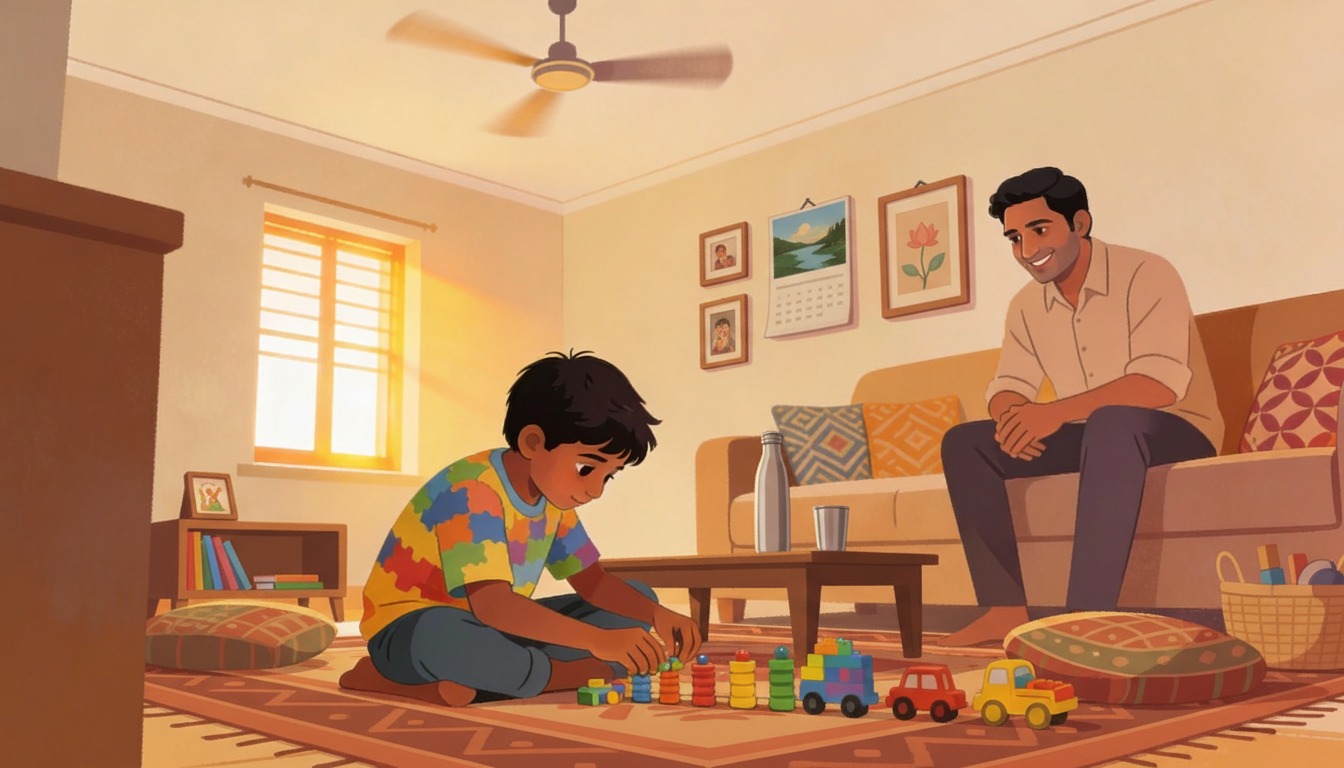
Parents may first notice that their child engages with the world in unique ways. Some autistic children might communicate or play differently, such as not always responding to their name, making eye contact, or using spoken words in the same way as their peers. They may have distinct interests and find joy in activities that are meaningful to them, like watching fans spin, flapping their hands, rocking, singing, or arranging objects in specific patterns.
Some autistic children experience the world in ways that make transitions or unexpected changes particularly challenging. When routines are disrupted or sensory input becomes overwhelming, they may use strategies like focusing inward, seeking comfort in familiar activities, or engaging in repetitive movements—such as hand-flapping, rocking, or arranging objects—to self-regulate and manage their environment. These behaviors are meaningful ways for autistic children to cope with sensory overload or to express their needs, even if they look different from those of their peers.
Parents might notice these differences in how their child interacts, communicates, or responds to their surroundings. Seeking support from professionals such as developmental pediatricians or psychologists can help families better understand their child’s unique sensory and communication needs and access resources that foster acceptance, comfort, and growth.
Why is this happening? How to deal with this?
While the exact reasons why some people are autistic are not fully understood, research suggests that a combination of genetic, biological, and environmental factors can influence neurodevelopmental diversity. Autism is a natural variation in how brains develop and function, and autistic people have unique ways of experiencing and interacting with the world. There is no need or way to “cure” autism, as it is not an illness or defect, but rather a different way of being. With understanding, acceptance, and appropriate supports, autistic individuals can thrive and lead fulfilling lives on their own terms, celebrating their strengths and contributions to the community.
What does it mean for the parents, the child and family?
The immediate implication of autism diagnosis for the parents is that they need to rethink their ideas of parenting and their expectations of the child. Children on the spectrum may have various neurological and physiological differences that cause them to experience the world very differently from other people. Parents need to be willing to learn about their child and how their autism works. They need to be open to learning about various therapies and educational approaches in order to learn to support themselves and the child.
In the Indian context, where support from public institutions may be limited, a diagnosis of autism for the child may require the parents to radically rethink their lifestyle and goals. They may need to plan their lives such that one of the parents is available to support the child and coordinates with the doctors, therapists, school and other people who interact with the child.
While families may face challenges as they learn to support their autistic child, many also discover new perspectives, joys, and strengths within their family as they embrace neurodiversity and celebrate their child’s unique qualities.